Back to the Mulsetu blog
Most automation programmes stall because they start with a model. A demo looks clever in a workshop, then nobody trusts it on a Tuesday when the exception shows up. A first pass should start with the work your team already repeats — the same handoff, the same spreadsheet, the same approval that waits in a inbox.
Map the loop before you pick a tool
Write down the trigger, the decision, the system of record, and what happens when the answer is “it depends.” If you cannot name those four things, you do not have an automation candidate yet. You have a research task. That is cheaper than wiring an API into a process nobody agrees on.
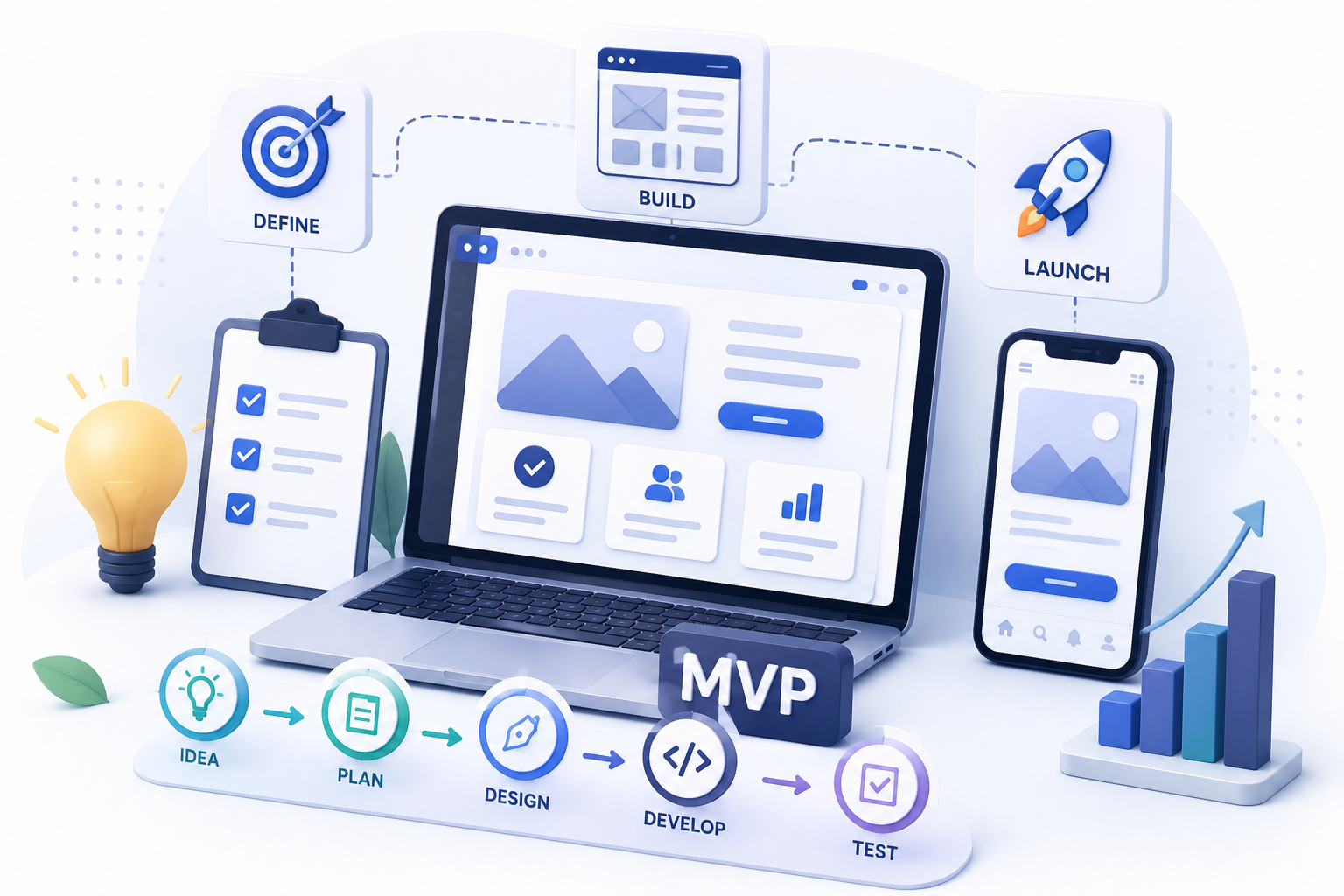
The first shippable slice is usually boring on purpose: a reliable handoff, an auditable log, a human still in the loop for judgment. Models belong after that path is stable enough that a wrong output is recoverable — not existential.
What we keep out of v1
We leave out the chatbot that answers everything, the dashboard that charts every metric, and the integration that touches six systems on day one. A first pass earns trust in one workflow. Then you widen the surface. That is how production AI actually sits inside operations — not as a side demo.
Related reading: explore Mulsetu’s AI & Automation services.